
Have you ever added something to your cart just because it felt good in the moment? Maybe it was a late-night online shopping scroll, a flash sale you didn’t want to miss, or a “treat yourself” purchase after a long week. You told yourself it was harmless. But later, you wondered why that quick rush faded so fast. Welcome to what many experts call the dopamine economy—a world designed to trigger small hits of pleasure that keep us clicking, buying, and coming back for more. Spending money isn’t just a financial act anymore. It’s emotional, neurological, and deeply tied to how our brains are wired.
The Science of Dopamine and Reward
Dopamine is often called the “feel-good” chemical, but it’s actually more about anticipation than pleasure itself. It spikes when we expect a reward. That means the excitement often happens before we even receive the item we purchased. When you browse online stores, watch countdown timers, or see “limited stock” alerts, your brain lights up. The possibility of getting something new creates a mini reward cycle. The purchase becomes less about the product and more about chasing that anticipatory thrill.
Why Online Shopping Hits Harder
In today’s digital world, shopping is frictionless. You don’t need to drive anywhere, stand in line, or even pull out a wallet. With one click, the item is on its way. That instant gratification amplifies the dopamine response. Apps and websites are designed to keep you engaged. Personalized recommendations, targeted ads, and flash sales are all carefully crafted to trigger your brain’s reward system. The easier it is to buy, the more often you’re tempted to do it.
Emotional Spending Is Real

Spending often fills emotional gaps. Feeling bored? Scroll and shop. Stressed? Buy something small to take the edge off. Celebrating? Reward yourself. Shopping can become a coping mechanism disguised as self-care. The problem is that the dopamine boost is temporary. Once the package arrives and the novelty fades, the emotional state you were trying to fix may still be there. That can lead to another purchase, creating a cycle that’s hard to break.
The Illusion of “Deals”
Sales are powerful psychological tools. Seeing a discount activates a sense of urgency and perceived gain. Even if you didn’t need the item, it feels like you’re winning by saving money. Retailers know that phrases like “limited time only” or “only 3 left” increase dopamine spikes. Scarcity makes the reward seem more valuable. You’re not just buying a product—you’re avoiding the fear of missing out.
Social Media and Comparison Culture
Platforms filled with influencers and curated lifestyles fuel the dopamine economy even more. When you constantly see new outfits, gadgets, or home upgrades, your brain starts associating buying with belonging. Comparison can trigger a subtle sense of inadequacy. Purchasing something similar offers a quick fix—a way to feel aligned or upgraded. But because trends change quickly, the satisfaction rarely lasts.
When Spending Becomes a Habit

Occasional impulse purchases are normal. The issue arises when spending becomes automatic or emotionally driven. If you find yourself hiding purchases, feeling guilt afterward, or shopping to escape feelings, it may be more than a casual indulgence. Habits form when dopamine rewards are repeated consistently. Your brain starts associating shopping with relief or excitement. Over time, it can feel less like a choice and more like a reflex.
Breaking the Dopamine Cycle
Awareness is the first step. Noticing the emotional trigger before you spend can interrupt the pattern. Ask yourself whether you want the item or just the feeling it promises. Simple strategies like waiting 24 hours before purchasing, unsubscribing from promotional emails, or removing saved payment methods can slow down impulsive behavior. Creating friction gives your rational brain time to catch up with your emotional brain. It also helps to find alternative dopamine sources. Exercise, social connection, creative hobbies, or learning something new can provide healthy reward signals without draining …

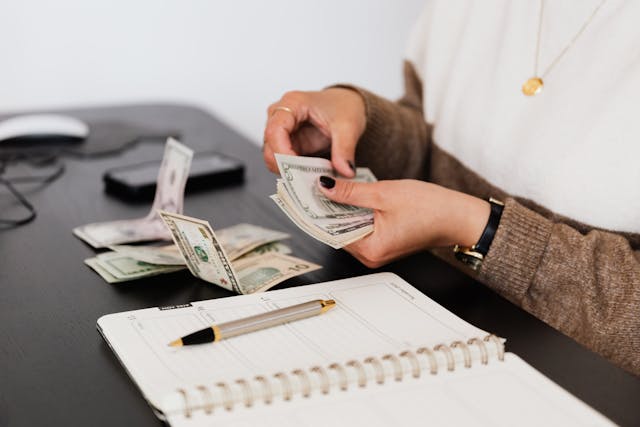

 Do you ever wonder where your hard-earned cash disappears each month? It’s time to get cozy with your bank statements and track every dollar. Start by categorizing your expenses, whether it’s rent, groceries, or avocado toast indulgences.
  When it comes to budgeting, one key tip for millennials who enjoy avocado toast is to shop only if necessary. I know the urge to splurge on the latest fashion trends or gadgets can be hard to resist, but being mindful of your purchases is crucial in managing your finances effectively.

 Short Term Loans can be a lifesaver when you need quick cash for unexpected expenses. These loans are designed to provide you with the funds you need quickly, typically within a few days or weeks. They differ from traditional bank loans because they have shorter repayment terms and higher interest rates. An advantage of short-term loans is their flexibility. You can choose the loan amount and repayment period that best fits your needs and
  Bad Credit Installment Loans are a popular option for individuals with less-than-perfect credit scores. These loans offer the flexibility of repaying the borrowed amount over time in fixed monthly installments. Unlike payday loans that require full repayment on your next paycheck, installment loans allow you to spread out your payments, making them more manageable. One of the main advantages of bad credit installment loans is that they can help improve your credit score. By consistently making timely payments, you demonstrate responsible borrowing behavior to lenders. Over time, this can improve your creditworthiness and open up more favorable loan options for you in the future.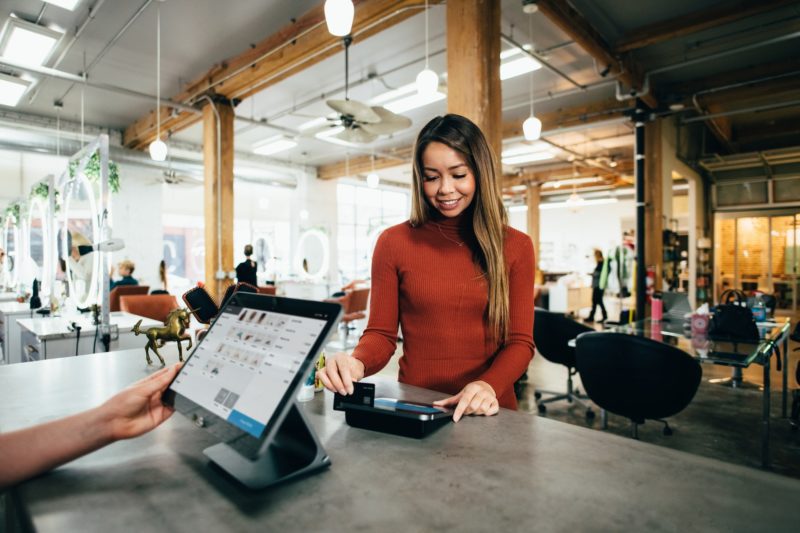

 Reporting tools are another essential feature of a POS system. With these tools, you can track your sales, see which products are selling the most, and identify any problem areas in your business. This information is critical for making informed decisions about your business. These are just a few of the essential POS system features that you should look for when choosing a system for your business. If you have these features, you will be able to run your business more efficiently and make better decisions about your inventory and sales. Do you have any other essential POS system features that you would add to this list? Let us know in the comments.…

 Even if you have family and friends to care for you, they may not be able to take over the management of your estate after your death. You have the option of naming an executor. You want someone you trust to also provide you with the skills, time, energy, and organizational support to do so. It would help if you did not fixate on the person you want to name an executor. Things can change throughout a lifetime. After your death, someone will need to be appointed to manage your estate.


 Fast Release
 Credit Score is Not Important
 Payday loans can have the highest interest among other kinds of loans. Do you know that a payday loan can have an interest of 300% or even more? For sure, you will still go on with the loan if you have no other recourse to have the money you need and your need for cash is very urgent.
 potential as a freelancer compared to when you are working under someone. Having an accountant is essential for your freelancing business. This is something most freelancers don’t find necessary because they deem it as an unnecessary expense. Hiring an accountant for your freelance business can benefit you in so many ways which include:
 Handling your bookkeeping and financial reports preparation might not be as easy as you may think. Whether you are trying to cut costs, or you think you have very little work to do, you will, at some point, get overwhelmed by juggling between your core duties and accounting tasks.
 During the busy tax season, many entrepreneurs find themselves frantically thinking on ways to maximize on their deductions or lessen the tax burden. Unfortunately, that kind of approach is likely not to yield much at the end of the year as it will be too late. With an accountant or having a professional firm handling your accounts, they can check throughout the year for all three possible deductions.


